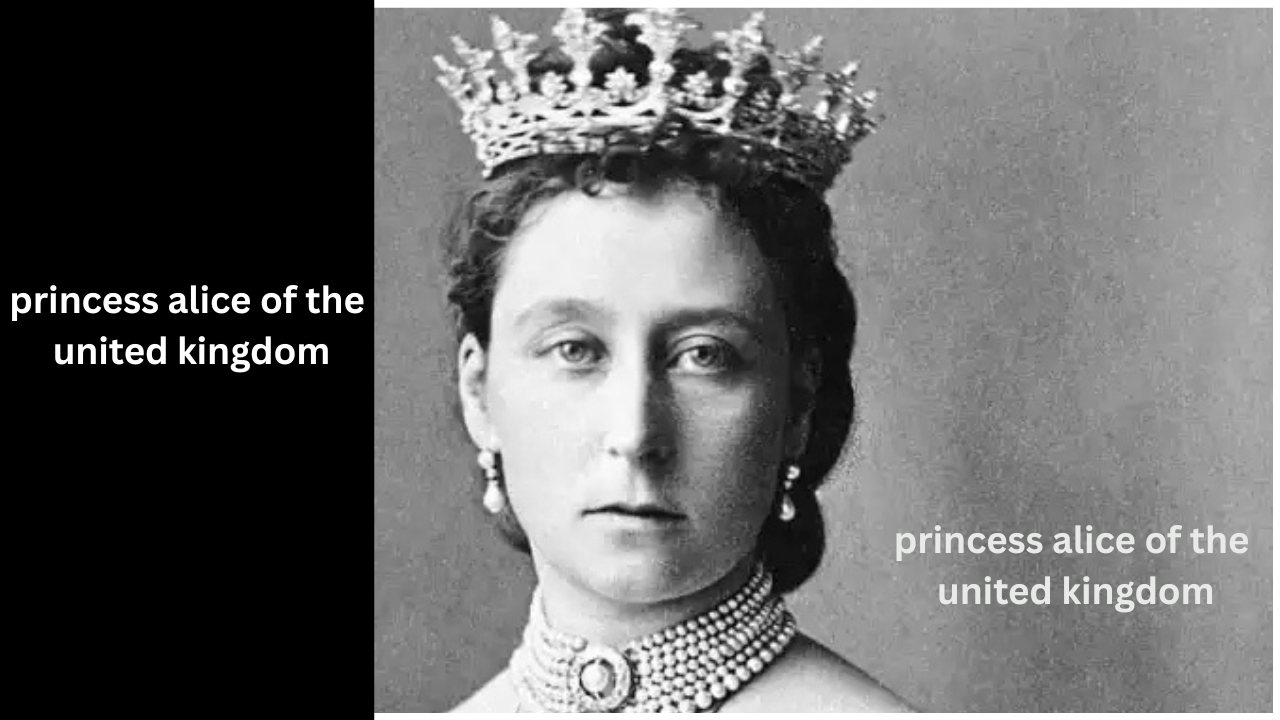

Princess Alice of the United Kingdom remains one of the most compelling and emotionally powerful figures in 19th-century royal history. Born into the heart of the British monarchy as the daughter of Queen Victoria and Prince Albert, her life was shaped by privilege, duty, and deep personal tragedy. Her story continues to attract attention from historians and readers who search for both inspiration and sorrow within royal biographies.
The life of Princess Alice of the United Kingdom is not just a royal record but also a human story filled with compassion, responsibility, and hardship. While she lived in palaces and was surrounded by luxury, her experiences were marked by emotional challenges that would ultimately define her legacy. Understanding her journey provides insight into Victorian society, royal expectations, and the personal struggles hidden behind royal titles.
Early Life and Childhood at Buckingham Palace
Princess Alice was born on 25 April 1843 at Buckingham Palace in London. As the third child of Queen Victoria, she grew up in an environment defined by strict discipline, strong family values, and political responsibility. From an early age, she was exposed to both the public duties and private pressures of royal life.
Despite her privileged surroundings, Alice’s childhood was not purely carefree. Queen Victoria and Prince Albert emphasized education, humility, and moral duty. Alice developed a reputation for being thoughtful, sensitive, and deeply empathetic, qualities that later shaped her humanitarian efforts.
Education and Family Relationships
Alice received a carefully structured education, focusing on languages, literature, religion, and practical skills. Prince Albert, in particular, played a strong role in shaping her intellectual development and moral outlook.
She shared a close bond with her siblings, especially her sister Victoria. However, her relationship with Queen Victoria was complex, as the Queen often expected obedience and emotional strength from her children, leaving little room for personal freedom. This early environment deeply influenced Alice’s character and future decisions.
Marriage to Prince Louis of Hesse and Life in Germany
Royal Marriage and Political Importance
Princess Alice’s marriage to Prince Louis of Hesse in 1862 was both a personal and political union. The marriage strengthened ties between Britain and the German states, a common practice among European royalty during that era.
After marriage, she became part of the German court and adopted new responsibilities as a wife and future consort. Her transition from British princess to Grand Duchess of Hesse was challenging, requiring her to adapt to a different culture, language, and court expectations.princess alice of the united kingdom
Life as Grand Duchess of Hesse
Life in Darmstadt was very different from the structured environment of Buckingham Palace. Alice faced financial limitations, political tensions, and social responsibilities that demanded resilience and adaptability.
Despite these challenges, she remained committed to her duties and developed a strong connection with the people of Hesse. Her compassionate nature helped her gain respect, even in difficult circumstances.princess alice of the united kingdom
Princess Alice’s Contributions and Humanitarian Work
Commitment to Nursing and Healthcare
One of the most remarkable aspects of Alice’s life was her dedication to healthcare reform. Inspired by the work of Florence Nightingale, she took an active role in improving nursing standards in Germany.princess alice of the united kingdom
She personally assisted during wartime medical efforts and supported the establishment of better hospital systems. Her hands-on approach was unusual for royalty at the time, making her stand out as a progressive figure.
Social Reform and Women’s Education
Alice also focused on improving women’s education and social welfare. She believed that women should have access to knowledge, training, and opportunities beyond traditional domestic roles.
Her efforts led to the establishment of charitable organizations and training programs for nurses and women workers. These contributions had a lasting impact on social development in her region.princess alice of the united kingdom
Family Life and Relationships with Her Children
Motherhood and Personal Bonds
Princess Alice was deeply devoted to her children and considered motherhood one of her most important roles. She raised several children, many of whom later became influential figures in European royal families.
Her parenting style was affectionate yet disciplined, reflecting her own upbringing. She encouraged kindness, education, and responsibility in her children.
Challenges Within the Family
Despite her dedication, Alice faced emotional difficulties within her family life. The demands of royal duties, health concerns, and political responsibilities often created stress within the household.
Her children’s futures were shaped by both privilege and pressure, as they were connected to multiple royal dynasties across Europe. These connections later played a significant role in European history.
Tragic Events and Final Illness
One of the most devastating periods in Alice’s life came when diphtheria struck her household. The illness spread rapidly, affecting multiple family members and causing severe emotional distress.
The loss of her young son deeply affected her, and the emotional toll on the family was immense. These events marked a turning point in her life, weakening both her physical and emotional strength.
Final Illness and Death
Shortly after these tragedies, Alice herself became ill. She continued to care for her family despite her declining health, showing remarkable strength and dedication.
She passed away on 14 December 1878 in Darmstadt at the age of 35. Her death shocked Europe and left a lasting emotional impact on both British and German royal families.
Legacy of Princess Alice of the United Kingdom
Humanitarian Influence and Social Impact
The legacy of Princess Alice extends far beyond her royal title. She is remembered for her contributions to nursing, healthcare reform, and women’s education.
Her work helped shape modern nursing practices in Germany and influenced later developments in social welfare systems. Her compassion and dedication continue to inspire historical studies and biographies.
Royal Lineage and Historical Importance
Alice’s descendants became part of several European royal families, connecting her legacy to modern monarchy structures. Her influence can be traced through generations of royals across Europe.
Today, historians view her life as a blend of duty, compassion, and tragedy, making her one of the most fascinating figures of the Victorian era.
Conclusion
The life of Princess Alice of the United Kingdom represents a powerful combination of royal responsibility, personal sacrifice, and humanitarian achievement. While she lived a short life, her impact on healthcare, social reform, and royal history remains significant.
Her story continues to resonate because it reflects both the privileges and pressures of royal existence. Through her dedication and compassion, she left a legacy that extends far beyond her time, making her an enduring figure in European history.
Frequently Asked Questions
Who was Princess Alice of the United Kingdom?
Princess Alice was the third child of Queen Victoria and Prince Albert, known for her humanitarian work and role as Grand Duchess of Hesse.
Why is Princess Alice’s life considered tragic?
Her life is considered tragic due to the loss of family members to disease and her early death at the age of 35.
What were Princess Alice’s major contributions?
She contributed significantly to nursing reform, healthcare improvement, and women’s education in Germany.
How did Princess Alice influence European royalty?
Her descendants became part of several European royal families, strengthening royal connections across the continent.
How did Princess Alice die?
She died from an illness following a diphtheria outbreak in her family, which deeply affected her health.
What is Princess Alice’s legacy today?
Her legacy lives on through her contributions to healthcare, education, and her influence on European royal history.
you may also read
Bert Girigorie Biography, Net Worth, Career And Wendy Williams Marriage Details Revealed