
A Border That Shapes Two Nations
The Mexico United States border is one of the most significant international boundaries in the world, stretching across deserts, rivers, cities, and remote landscapes. It is not just a dividing line between two countries but also a major gateway for trade, migration, and cultural exchange. Every year, millions of people and vehicles legally cross this border, making it one of the busiest in global terms.
In 2026, the border has once again become a central topic in global discussions due to a major shift in migration patterns. Recent data shows a dramatic decline in illegal crossings, reaching levels not seen in over half a century. This change has sparked debates about policy effectiveness, humanitarian concerns, and long-term regional stability.
Why the 55-Year Low Matters
The reported drop in illegal crossings at the Mexico United States border is not just a statistic; it reflects major shifts in enforcement strategies and migration behavior. The decline suggests that stricter border policies and advanced surveillance systems are significantly impacting movement patterns.
At the same time, the situation raises important questions. While fewer crossings may indicate improved control, they also highlight ongoing challenges related to safety, human trafficking, and economic migration pressures across both nations.
Mexico United States Border Geography and Strategic Importance
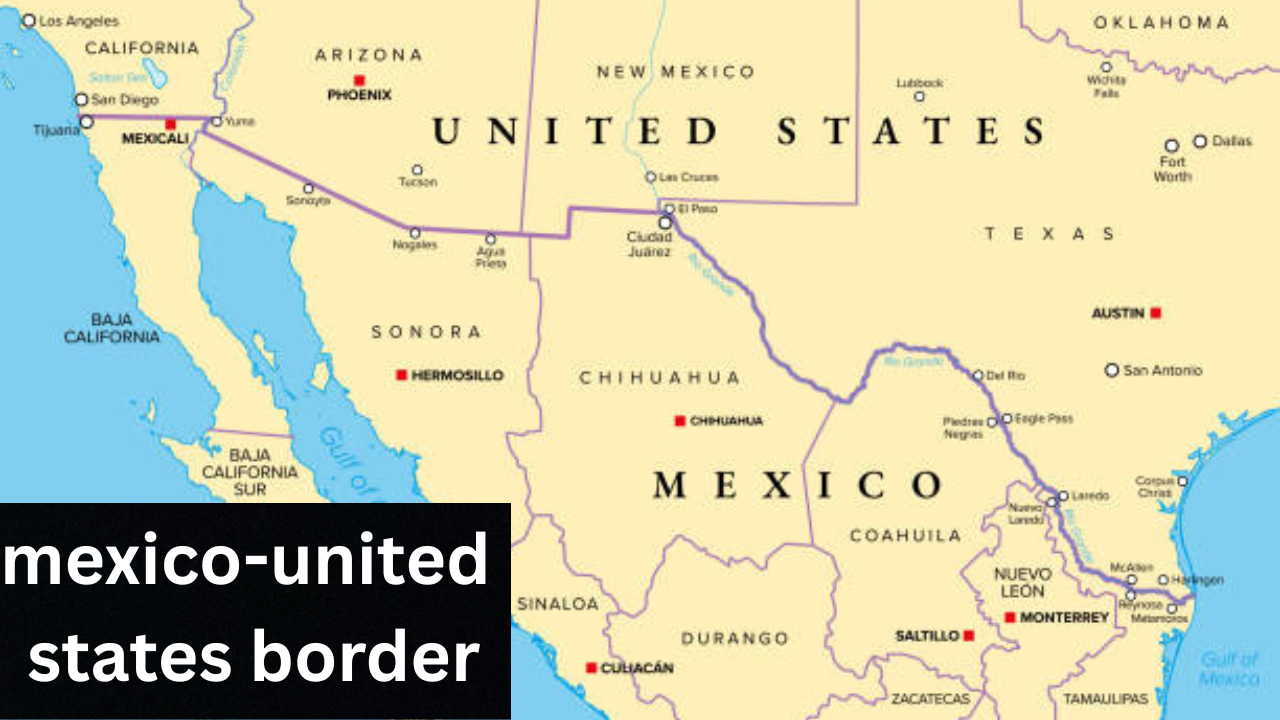
The Mexico United States border spans nearly 2,000 miles, crossing a wide range of terrains. From California’s urban edge to Arizona’s harsh deserts and Texas’s river boundaries, the geography plays a critical role in shaping migration routes and enforcement strategies.
Each region presents unique challenges. Rivers like the Rio Grande act as natural barriers, while desert zones create dangerous conditions for anyone attempting unauthorized crossings. This geographical diversity makes border management highly complex and resource-intensive.
States Connected by the Border
On the U.S. side, four states share the boundary: California, Arizona, New Mexico, and Texas. On the Mexican side, several northern states directly connect with the border region. These areas are deeply interconnected through trade, family ties, and cultural exchange.
The border is not just a line of separation but a shared economic zone. Cities on both sides often function as twin communities, relying on cross-border movement for daily life and commerce.
Illegal Crossings at the Mexico United States Border and the 55-Year Low Trend
Recent reports indicate that illegal crossings at the Mexico United States border have dropped to their lowest level in 55 years. This trend represents a major shift compared to previous decades, when migration levels were significantly higher.
Several factors contribute to this decline, including stricter enforcement, increased deportations, and reduced asylum releases. These combined measures have changed the dynamics of unauthorized migration significantly.
Changing Migration Patterns
Migration routes have also shifted due to increased surveillance and physical barriers. Areas that were once heavily used for crossings are now less active, pushing movement into more remote and dangerous zones.
While the numbers have decreased, experts note that migration pressures still exist due to economic instability, violence, and environmental challenges in certain regions of Latin America.
Border Security Policies and Enforcement Changes
In recent years, policies governing the Mexico United States border have become more strict. Authorities have increased detention rates and accelerated deportation processes, reducing the likelihood of long-term stays for unauthorized entrants.
Asylum systems have also undergone changes, limiting the number of individuals released into the interior of the United States while their cases are processed. This has contributed significantly to the decline in crossings.
Expanded Border Patrol Operations
Border enforcement agencies have increased their presence across key regions. More personnel, faster response systems, and coordinated operations have strengthened control efforts.
These changes have made unauthorized crossings more difficult and risky, discouraging many from attempting the journey altogether.
Technology and Infrastructure at the Mexico United States Border
The Rise of the Smart Border
Technology now plays a central role in managing the Mexico United States border. Surveillance cameras, motion sensors, drones, and satellite monitoring systems are widely used to detect movement in real time.
These tools create what is often referred to as a “smart border,” allowing authorities to respond more quickly and efficiently to potential crossings.
Physical Barriers and Monitoring Systems
In addition to technology, physical barriers such as fencing and walls exist in many sections of the border. While not continuous across the entire boundary, these structures are strategically placed in high-traffic areas.
Together with digital surveillance systems, these barriers form a layered security approach designed to improve detection and deterrence.
Humanitarian and Social Impacts of Border Control
Risks Faced by Migrants
Despite lower crossing numbers, the Mexico United States border remains a dangerous route for migrants. Harsh environmental conditions such as extreme heat, dehydration, and long travel distances continue to cause fatalities.
Smuggling operations also pose serious risks, often exploiting vulnerable individuals through unsafe and illegal transportation methods.
Human Rights and Social Concerns
Humanitarian organizations continue to raise concerns about the impact of strict border enforcement. Issues such as family separation, detention conditions, and access to asylum remain key points of debate.
The balance between national security and human rights continues to be a complex and sensitive issue.
Legal Crossings, Trade, and Economic Activity
One of the Busiest Trade Corridors
While illegal crossings have decreased, legal movement across the Mexico United States border remains extremely high. Millions of trucks, vehicles, and pedestrians cross legally each year.
This flow of goods supports industries in both countries, making the border a critical part of the North American economy.
Economic Interdependence
The economies of the United States and Mexico are deeply connected. Manufacturing supply chains, agriculture, and retail industries all depend heavily on cross-border trade.
Any disruption to border flow can have significant economic consequences for both nations.
Regional Breakdown of the Mexico United States Border
Texas Border Region
Texas accounts for the largest portion of the Mexico United States border. Its long stretch includes urban crossings, rural zones, and river boundaries.
This region plays a central role in both enforcement operations and trade activity, making it one of the most important areas along the border.
Arizona, California, and New Mexico Zones
Arizona’s desert regions present extreme environmental challenges for migration and enforcement. California’s border areas are more urbanized, with high levels of legal crossing activity.
New Mexico, while smaller in population density, remains strategically important due to its geographic position and remote terrain.
Smuggling Networks and Criminal Activity at the Border
Ongoing Security Threats
Even with reduced crossings, smuggling networks continue to operate along the Mexico United States border. These groups often adapt quickly to enforcement changes by shifting routes and methods.
Human trafficking and drug smuggling remain major concerns for law enforcement agencies.
Law Enforcement Response
Authorities have increased cooperation between agencies to combat organized crime. Intelligence sharing and cross-border coordination have improved detection and disruption of smuggling operations.
However, the complexity of these networks means challenges remain persistent.
Future Outlook for the Mexico United States Border
Evolving Migration Trends
Future migration patterns will likely continue to be influenced by economic, political, and environmental factors. While current numbers are low, underlying pressures have not disappeared.
Changes in global conditions could quickly alter migration flows again.
Technology and Policy Developments
Advancements in surveillance technology and data analysis are expected to further strengthen border management. Policies may also continue evolving based on political priorities and regional cooperation.
The Mexico United States border will remain a dynamic and evolving system rather than a fixed structure.
Conclusion
The Mexico United States border in 2026 represents a complex balance between security, trade, and humanitarian concerns. The historic drop in illegal crossings highlights the impact of stronger enforcement and advanced technology, but it does not eliminate the broader challenges tied to migration and regional inequality.
As both nations continue to adapt their policies, the border will remain a critical focal point for economic activity, political debate, and human movement. Understanding its dynamics is essential for shaping informed discussions about the future of North American relations.
Frequently Asked Questions
What is the Mexico United States border and why is it important?
It is the international boundary between the U.S. and Mexico, crucial for trade, migration, and security.
Why have illegal crossings dropped to a 55-year low?
Stricter enforcement, increased deportations, and advanced surveillance have significantly reduced crossings.
How long is the Mexico United States border?
It spans nearly 2,000 miles across diverse geographical regions.
What technologies are used at the border?
Drones, sensors, cameras, and satellite systems are used for monitoring and detection.
Is the border important for trade?
Yes, it is one of the busiest trade corridors in the world, supporting millions of legal crossings annually.
you may also read
United Kingdom Map with Cities Countries Borders and Complete Geography Travel Guide