
Hantavirus infection is a rare but potentially life-threatening illness that often begins with symptoms so common that many people mistake it for a regular flu. This makes awareness extremely important, especially for individuals who may have been exposed to rodents or contaminated environments. Understanding hantavirus symptoms early can significantly improve the chances of receiving timely medical care.
Although cases are uncommon, hantavirus has been reported in several regions of the United States, particularly in rural and semi-rural areas. The infection spreads primarily through contact with infected rodent droppings, urine, or saliva. Because early signs can appear mild, many patients delay seeking treatment until the disease progresses into a severe stage.
What Are Hantavirus Symptoms
Definition and Overview
Hantavirus symptoms refer to the range of physical signs that appear after a person becomes infected with the hantavirus family of viruses. These symptoms vary depending on the strain and the body’s immune response, but they typically begin with flu-like discomfort before rapidly escalating in severe cases.
In most human infections, the disease develops into either hantavirus pulmonary syndrome or hemorrhagic fever with renal syndrome. Both conditions are serious and require immediate medical attention. The key challenge is that early hantavirus symptoms are not specific and can resemble many common viral infections.
General Symptom Pattern
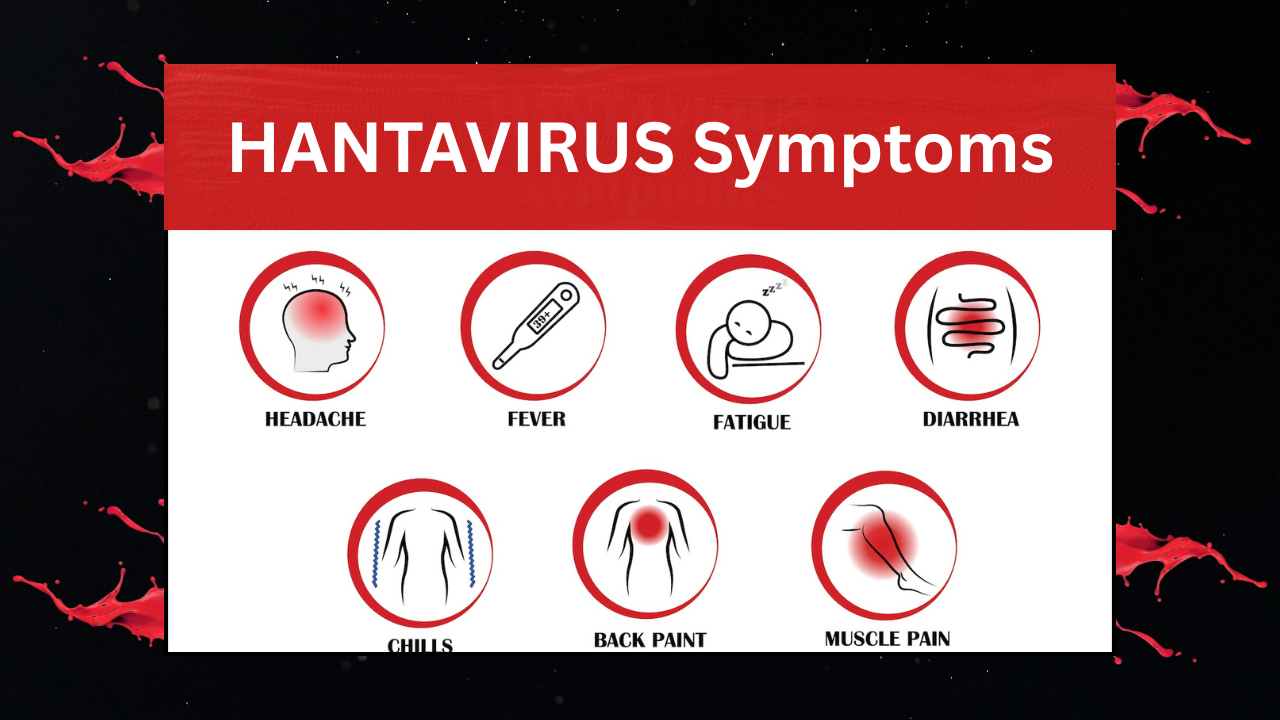
The general pattern of hantavirus symptoms starts slowly and then worsens quickly. Early signs include fatigue, fever, and muscle pain, which can easily be mistaken for seasonal flu or exhaustion. Because of this similarity, individuals often do not realize the seriousness of their condition at first.
As the infection progresses, breathing difficulties, abdominal pain, and more severe complications may develop. This sudden shift from mild to critical illness is what makes hantavirus particularly dangerous and highlights the importance of early recognition.
Early Signs and First Stage of Hantavirus Symptoms
Flu-Like Early Symptoms
The first stage of hantavirus symptoms typically resembles a standard viral infection. Patients often experience fever, chills, severe fatigue, and muscle aches, especially in large muscle groups such as the back, thighs, and hips. These symptoms can last several days and may gradually intensify.
Other early signs may include headaches, dizziness, nausea, vomiting, and digestive discomfort such as diarrhea or abdominal pain. Because these symptoms are so common, many people do not immediately associate them with a serious infection, which can delay diagnosis and treatment.
Incubation Period and Onset Timeline
After exposure to the virus, hantavirus symptoms do not appear immediately. The incubation period typically ranges from one to eight weeks, depending on the strain and the individual’s immune system. During this time, the virus silently multiplies in the body without noticeable signs.
Once symptoms begin, the illness can progress rapidly. This delayed onset makes it difficult for patients to connect their condition to a specific exposure event, such as cleaning a contaminated space or encountering rodent droppings.
How Hantavirus Symptoms Progress to Severe Illness
Hantavirus Pulmonary Syndrome
Hantavirus pulmonary syndrome is one of the most serious outcomes of infection. It affects the lungs and can cause fluid buildup, making it difficult to breathe. Patients may initially notice shortness of breath, Hantavirus Symptoms chest tightness, and a rapid heartbeat.
As the condition worsens, oxygen levels drop quickly, and respiratory failure can occur. This stage is considered a medical emergency and requires immediate hospitalization and intensive care support.
Hemorrhagic Fever with Renal Syndrome
Another severe form of the disease is hemorrhagic fever with renal syndrome, Hantavirus Symptoms which primarily affects the kidneys. Symptoms may include low blood pressure, internal bleeding risks, and severe abdominal or back pain.
In advanced stages, kidney function can deteriorate rapidly, leading to acute renal failure. Without urgent treatment, this condition can become fatal, highlighting the seriousness of untreated hantavirus infection.
Causes and How Hantavirus Spreads
Rodent Exposure as the Main Source
The primary cause of hantavirus infection is exposure to infected rodents. Hantavirus Symptoms Humans typically become infected by inhaling particles contaminated with rodent urine, droppings, or saliva. This often occurs when cleaning enclosed spaces where rodents have been active.
Direct bites are rare, but inhalation of contaminated dust is the most common transmission route. This is why household cleaning in poorly ventilated areas can pose a significant risk if proper precautions are not taken.
High-Risk Environments
Certain environments increase the risk of exposure to hantavirus. These include cabins, barns, sheds, garages, and storage areas that have been closed for long periods. Rural and wilderness areas where rodents are more common also pose higher risk.
People engaging in cleaning activities, especially after long periods of vacancy, are particularly vulnerable. Disturbing dust in contaminated environments can release virus particles into the air, increasing the chance of inhalation.
Diagnosis of Hantavirus Symptoms
Medical Evaluation Process
Diagnosing hantavirus symptoms begins with a detailed medical history and physical examination. Doctors often ask about recent exposure to rodents or activities in potentially contaminated areas. This information is crucial for identifying possible infection.
Laboratory tests, including blood work, may be used to confirm the presence of the virus. Because early symptoms resemble other illnesses, diagnosis often depends heavily on exposure history combined with clinical findings.
When to Seek Emergency Care
Immediate medical attention is necessary if hantavirus symptoms are suspected, especially after known rodent exposure. Warning signs include difficulty breathing, persistent fever, and severe muscle pain that worsens rapidly.
Delaying treatment can lead to life-threatening complications. Early hospitalization significantly improves survival chances, making prompt action essential when symptoms appear.
Treatment and Medical Care for Hantavirus Symptoms
Supportive Care Approach
There is currently no specific antiviral cure for hantavirus infection. Treatment focuses on supportive care, which helps the body manage symptoms while recovering from the infection. Hantavirus Symptoms This may include oxygen therapy, fluid management, and pain relief.
Early supportive care can make a significant difference in outcomes. Patients are closely monitored to ensure that complications are detected and treated quickly.
Intensive Care Management
In severe cases, patients may require intensive care support in a hospital setting. This can include mechanical ventilation to assist breathing or dialysis for kidney-related complications.
The goal of intensive care is to stabilize the patient’s vital functions while the immune system fights the infection. Recovery depends heavily on how quickly treatment begins.
Prevention of Hantavirus Symptoms
Rodent Control and Safe Cleaning
Preventing hantavirus infection starts with controlling rodent populations around homes and workplaces. Sealing entry points, storing food properly, and maintaining cleanliness can significantly reduce risk.
When cleaning areas potentially contaminated by rodents, proper safety measures such as disinfectants and avoiding dry sweeping are essential. Wet cleaning methods help prevent dust from becoming airborne.
Personal Protective Measures
Using protective equipment such as gloves and masks can reduce the risk of inhaling contaminated particles. This is especially important when handling old storage areas Hantavirus Symptoms or cleaning enclosed spaces.
Avoiding direct contact with rodent waste is one of the most effective prevention strategies. Simple precautions can greatly reduce the likelihood of infection.
Risk Factors for Hantavirus Infection
Who Is Most at Risk
Individuals living in rural or semi-rural areas are Hantavirus Symptoms more likely to encounter rodents and therefore face a higher risk of infection. Farmers, construction workers, and maintenance staff are also at increased risk due to environmental exposure.
Outdoor enthusiasts such as campers and hikers may also be exposed, especially when staying in cabins or shelters that have not been properly cleaned.
Environmental and Behavioral Risks
Certain behaviors increase the likelihood of infection, such as cleaning rodent-infested areas without protective gear. Poor ventilation and dry sweeping can also raise the risk of inhalation exposure.
Environments that have been closed for long periods provide ideal conditions for rodent contamination. Awareness of these risks is key to preventing infection.
Conclusion
Hantavirus infection is rare but extremely serious, especially when early symptoms are ignored or mistaken for a mild illness. Recognizing hantavirus symptoms early can make a critical difference in outcomes, as the disease can progress rapidly from flu-like signs to life-threatening complications.
Awareness, prevention, and prompt medical attention remain the most effective ways to reduce risk. Understanding how the virus spreads and taking proper precautions can significantly lower the chances of infection, especially in high-risk environments.
FAQs About Hantavirus Symptoms
What are the first signs of hantavirus infection?
Early signs usually include fever, fatigue, muscle aches, headaches, and sometimes nausea or digestive discomfort. These symptoms often resemble the flu.
How long does it take for hantavirus symptoms to appear?
Symptoms typically appear between one and eight weeks after exposure, depending on the strain and immune response.
Can hantavirus symptoms be mistaken for the flu?
Yes, early hantavirus symptoms are very similar to flu-like illnesses, which is why diagnosis can be delayed.
Is hantavirus contagious between humans?
In most cases, hantavirus is not spread from person to person in the United States. It primarily spreads through rodent exposure.
What should I do if I suspect hantavirus exposure?
Seek medical attention immediately, especially if you develop symptoms after exposure to rodents or contaminated environments.
you may also read
Supplement Management TheSpoonAthletic Complete Guide to Boost Performance Recovery and Health